

The question that concerns the minds of most language learners is that; How many languages can a person learn? As an intelligent and dynamic being, man has the ability to learn several languages. This ability is possible in humans through a complex nervous system that includes the brain, cerebral cortex and other important parts of the nervous system. In this content, we examine and explain the ability of humans to learn multiple languages and its positive effects on the cognitive and social performance of a person.
1. Nervous bases are the ability to learn multiple languages:
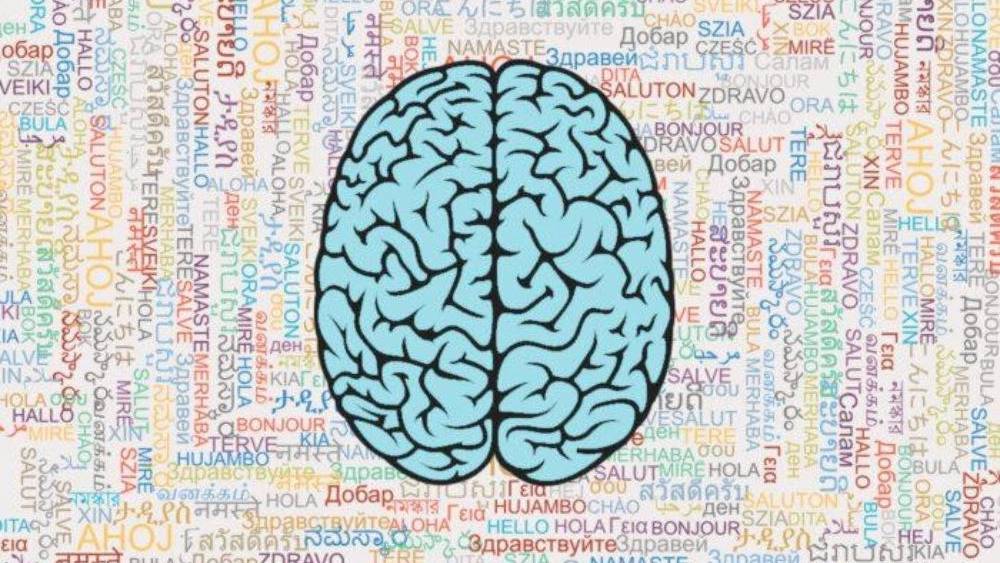
The human brain has neural plasticity that gives it the ability to learn different languages at the same time. In this section, we suggest you to read the article "Importance of learning foreign languages in the world". Neurons and neural connections in the brain are strengthened by language experiences and stimuli.
2. Language sensitivity in childhood:
Humans have the ability to learn several languages, the childhood period is the stage of language sensitivity where the brain increasingly strengthens the ability to learn languages. Children who are exposed to different languages in childhood are significantly more successful in learning languages.
3. Positive impacts on cognition and memory:
Learning multiple languages facilitates the improvement of active memory and recognition of people. Bilingual people have the ability to solve complex problems and perform multiple tasks in a better way.
4. Social and cultural impacts:
5. Multi -language learning challenges and strategies:
There are also challenges in learning multiple languages that can be prevented or solved by using appropriate strategies. Teaching languages using interactive approaches and language games can improve these challenges.
6. The personal focus and desire:
Personal focus and desire to learn a language also plays an important role in a person's ability to learn multiple languages. People who are willing and interested in learning new languages are probably more successful people.
Learning multiple languages and its impact on the brain
The human brain is a flexible and complex structure that is constantly changing and adapting to the environment. Research has shown that people who master multiple languages have better cognitive abilities than others. Humans have the ability to learn more than one language, and the brain is able to process information related to different languages at different times.
Social and cultural impact
Learning multiple languages brings a deeper understanding of other cultures and perspectives. Multilingual people are able to communicate with people from different cultures and geographical locations. Communicate, which often helps to create international friendships and collaborations. Mastering several languages can provide more opportunities when traveling, doing business and studying internationally. Also, in a country like Iran that has a high linguistic and cultural diversity, learning local languages such as Turkish, Kurdish or Arabic helps a person to establish better communication with people of different regions.
The human brain has an infinite ability to learn language, of course, provided that the necessary time, effort and practice are spent on it. Many people around the world are naturally fluent in two or more languages, and this ability is not uncommon. In multilingual countries such as Switzerland, Canada, and India, using several languages in daily life is a natural thing, and children learn two or more languages at the same time from a young age and use these languages easily as adults.
< Scientific research also shows that the human brain has a remarkable flexibility that allows it to learn different languages throughout life. In children, this learning process is faster and more effective due to the greater flexibility of the brain at a young age. Children can easily absorb different pronunciations, grammar rules and language structures, even if their mother tongues are different. However, adults are also capable of learning new languages and this process only requires effort and using the right techniques. Methods such as immersion in language environments, continuous repetition, use of educational technologies, and conversational practice with native speakers can help adults master new languages more quickly and efficiently.
Multilingual learning for humans It means expanding cognitive abilities, increasing brain flexibility and benefiting from wider social and professional opportunities. The human brain is an incredibly powerful tool that, with enough practice and motivation, is capable of achieving extensive linguistic abilities.